FIVE TOOLKITS, ONE METHOD

Training that doesn't need a teacher.

Activity-based learning (ABL) is a training approach for building skills in places where a classroom, an instructor, or an internet connection isn't an option. Participants run the sessions themselves, learning from each other's experience instead of a lecture — and the materials presented here, developed initially by the ILO office in Bangkok, are free for any NGO, government agency, or industry group to pick up and adapt.
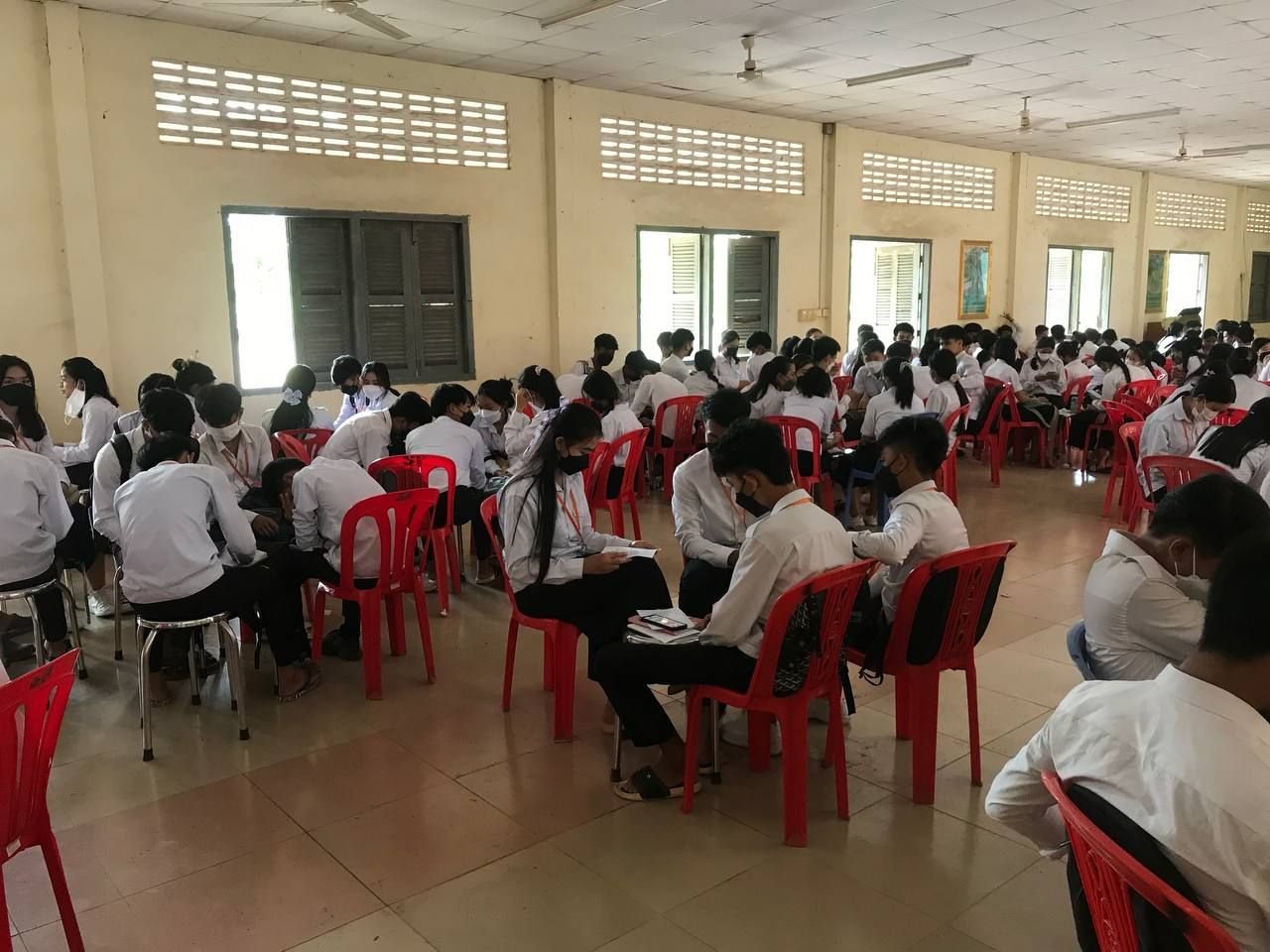
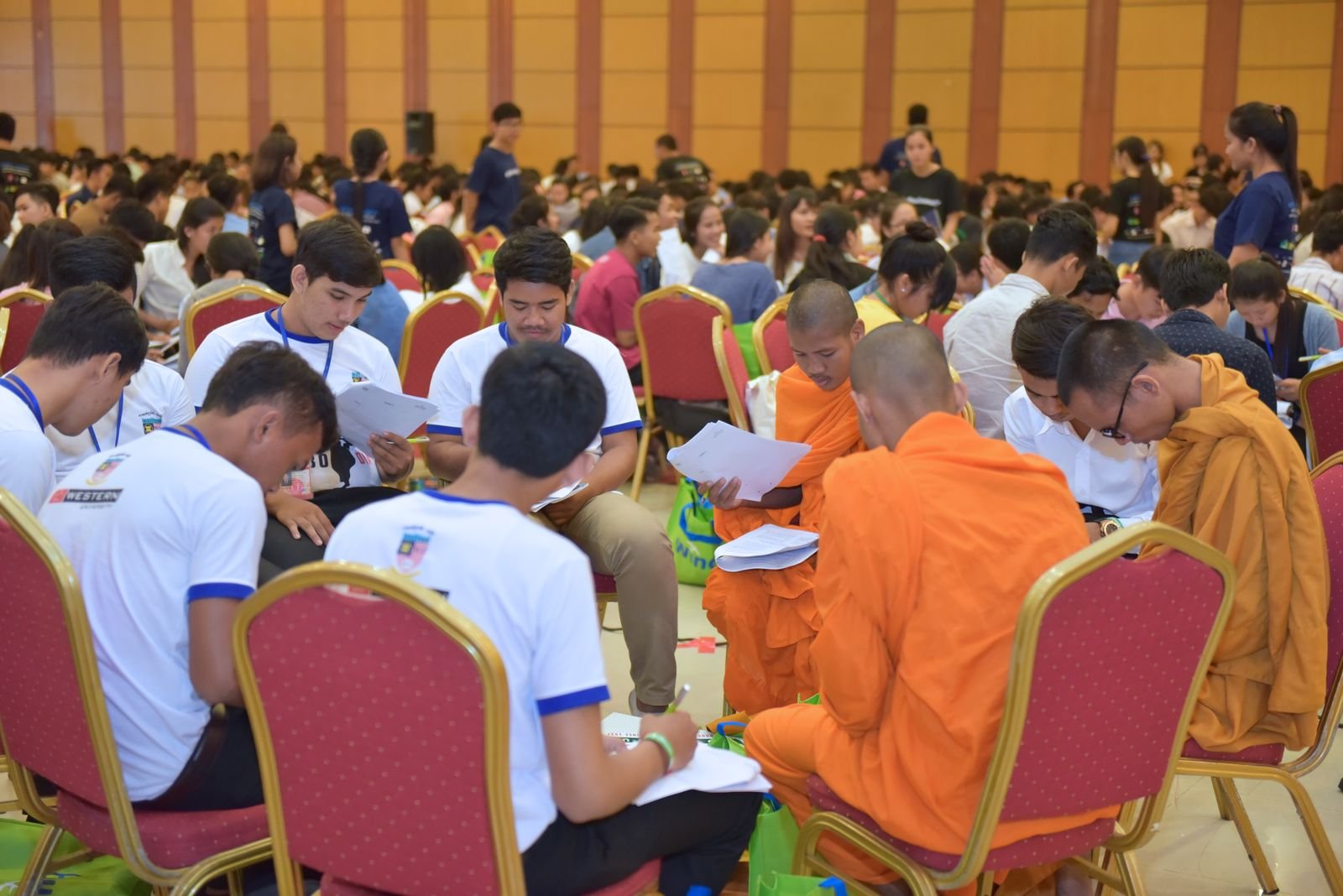
A large group of young participants working through an ABL session in small circles of chairs
A national-scale ABL session, participants working peer-to-peer in small circles
How activity-based learning works

Every toolkit shares the same three commitments, drawn from participant-led pedagogies like Montessori and Reggio Emilia and adapted for adult, community-level learning.

Peer-driven

Learning from the room, not the front of it

Groups work through structured exercises and discussions built from real, local experience, minimising — or removing entirely — the need for a trained instructor.

Self-facilitated

One literate volunteer is enough

A community member introduces each module and keeps time. No expert has to travel in, which is what makes the model work in isolated or under-resourced places.

Open and low-tech

Free, visual, and easy to translate

Modular, open-source guides are highly visual by design, so they travel across languages and literacy levels — and any organisation can adapt them for its own community.

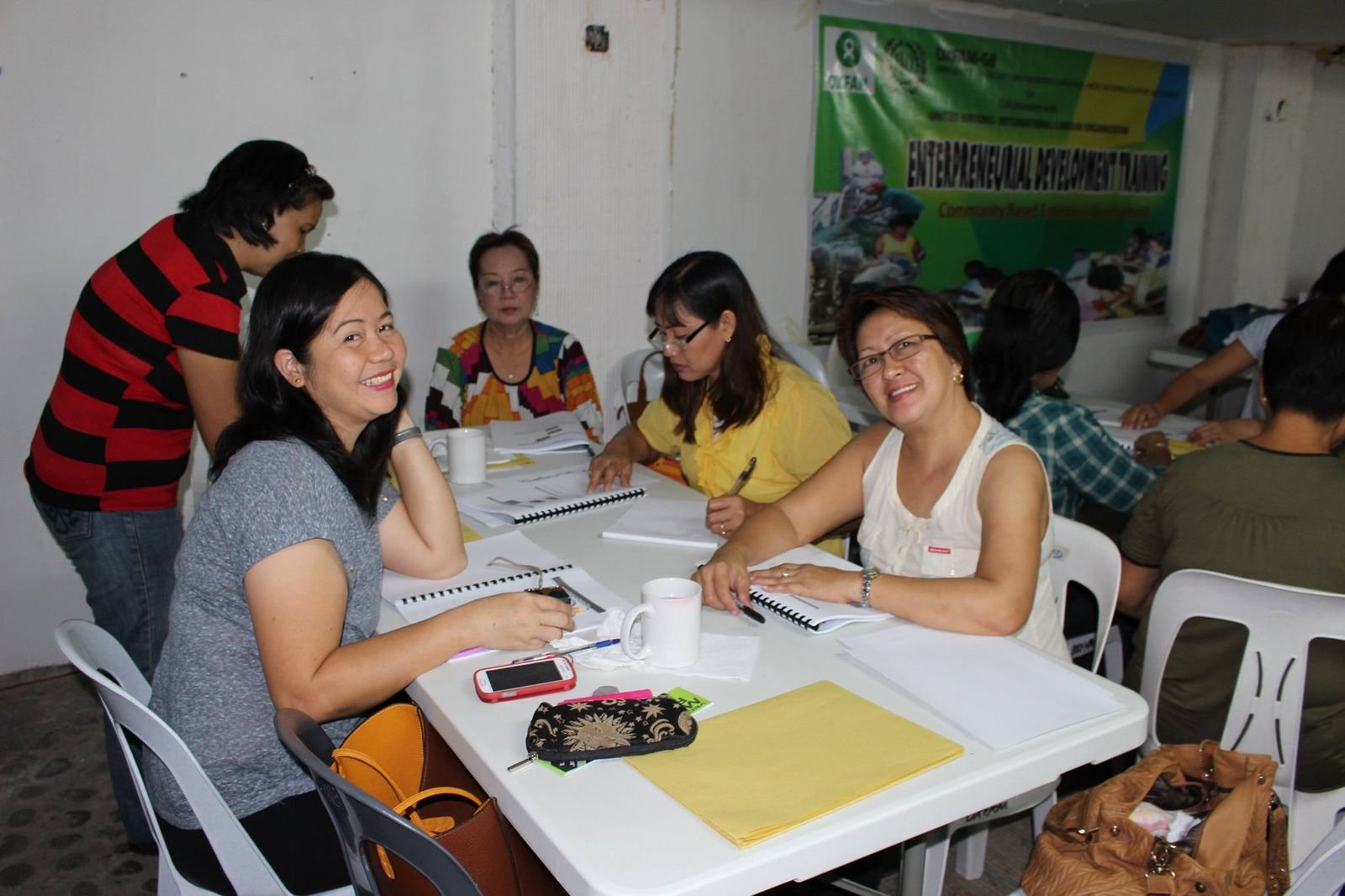
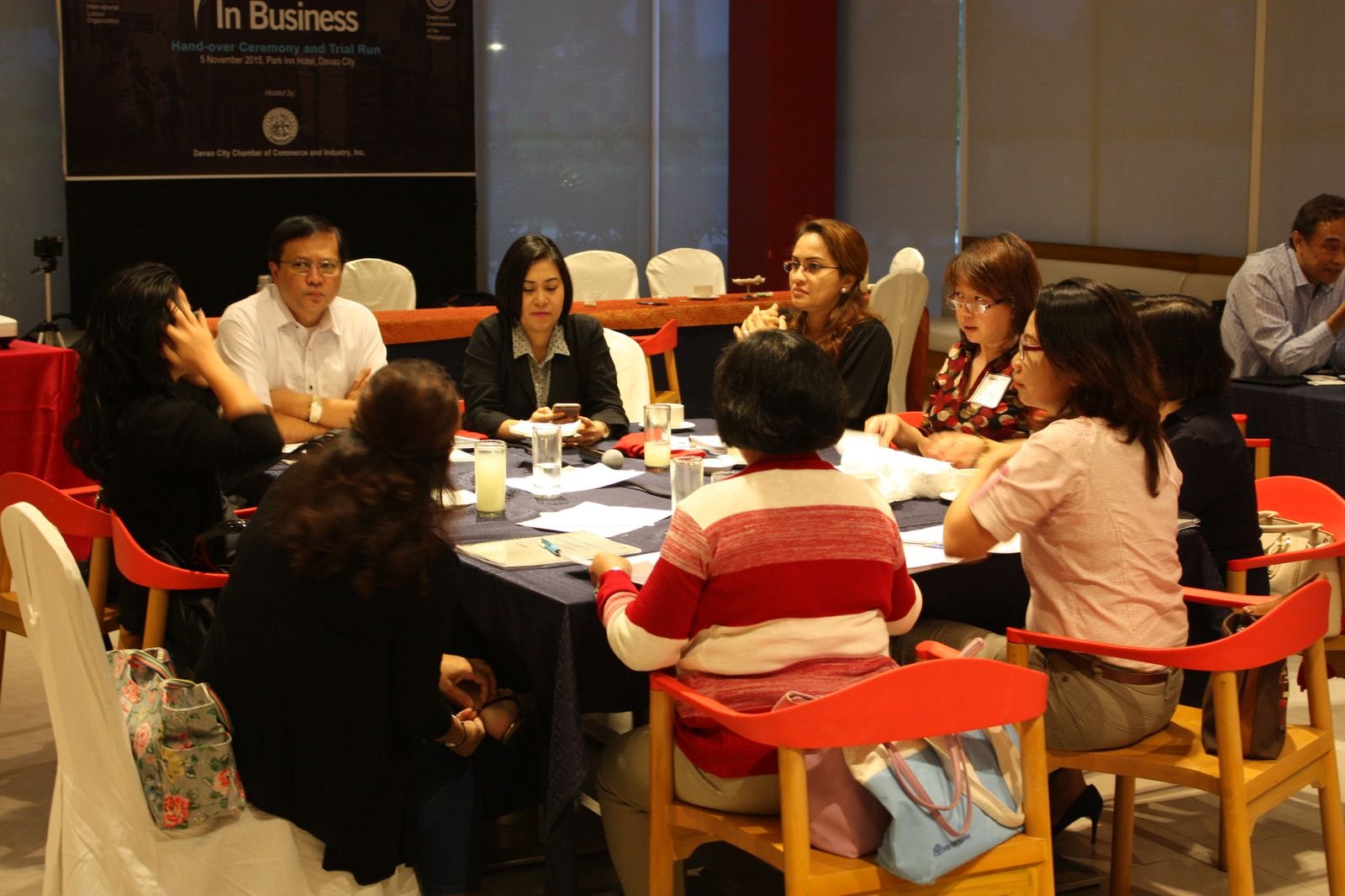
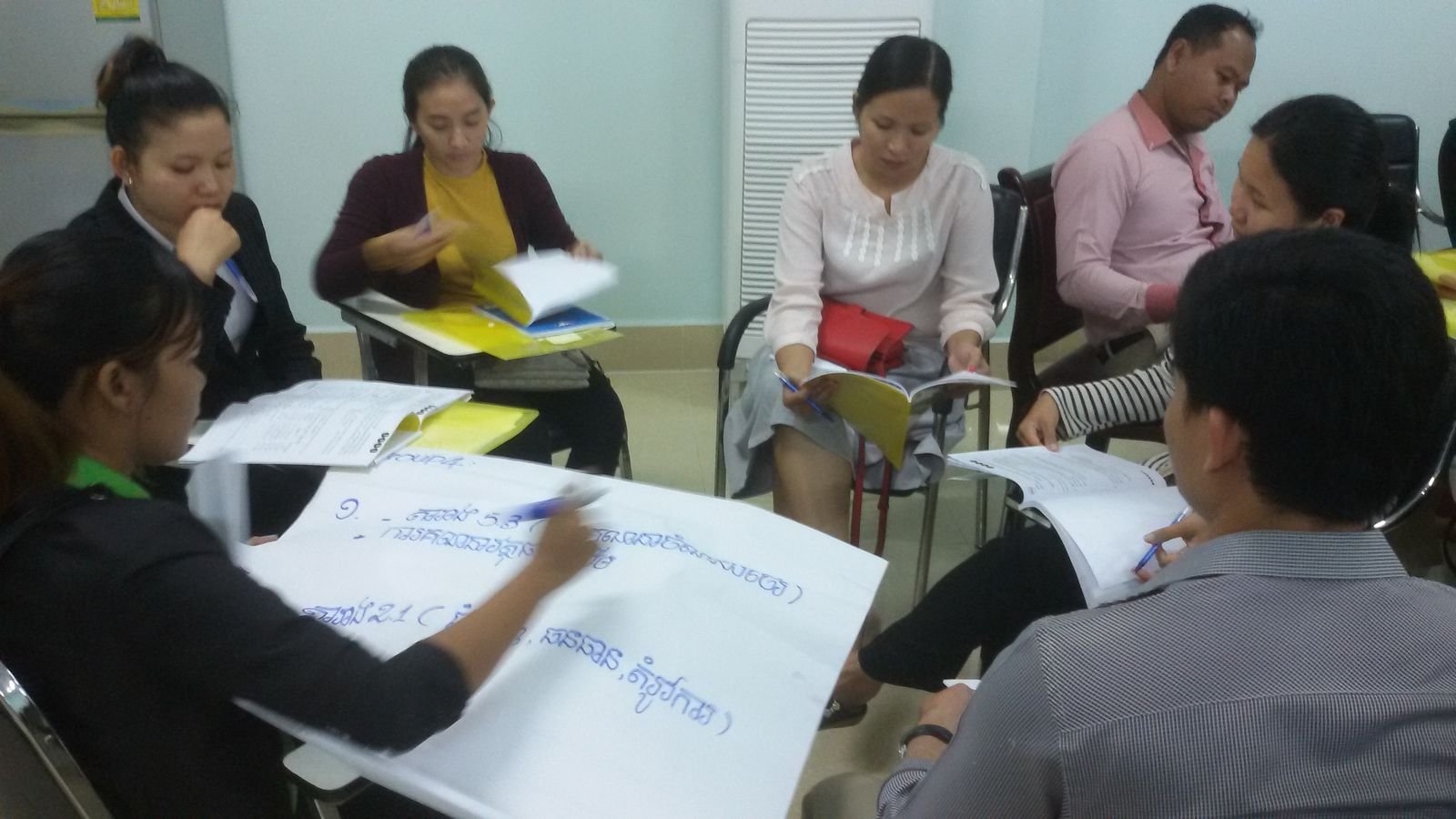
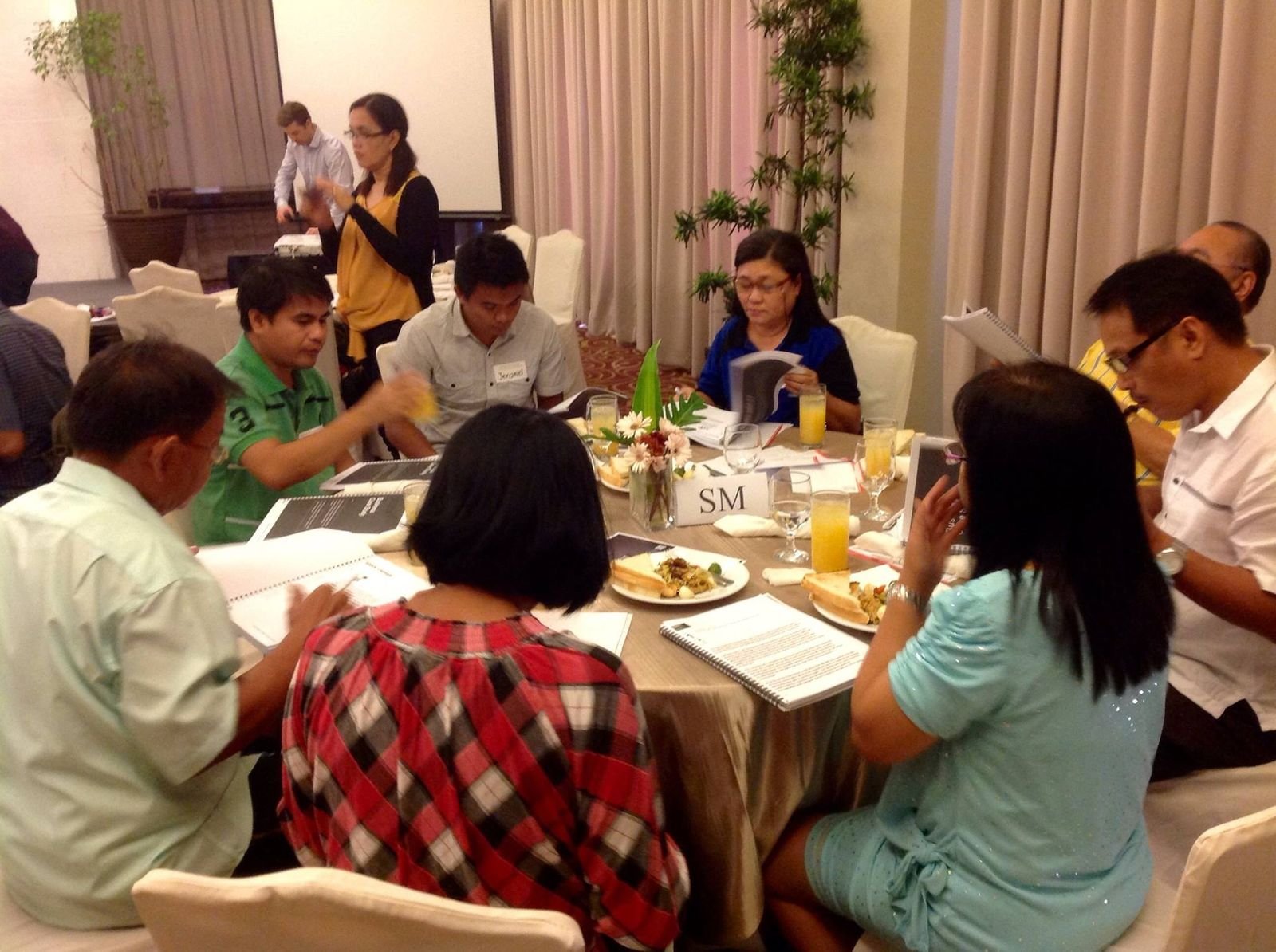
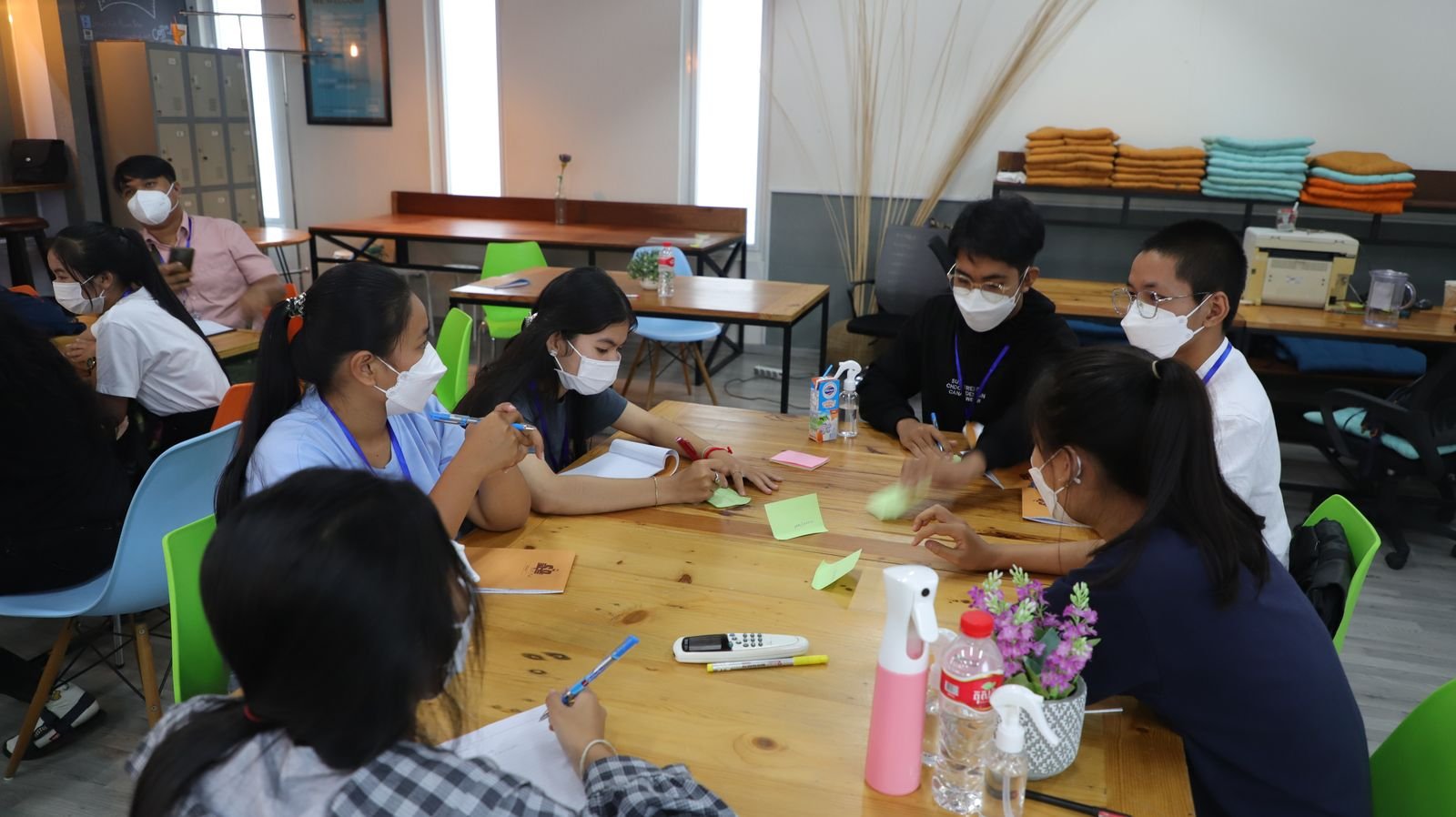
A small group huddled around a table covered in sticky notes during a peer-learning exercise
Groups work through structured exercises together, using simple tools like sticky notes to compare ideas
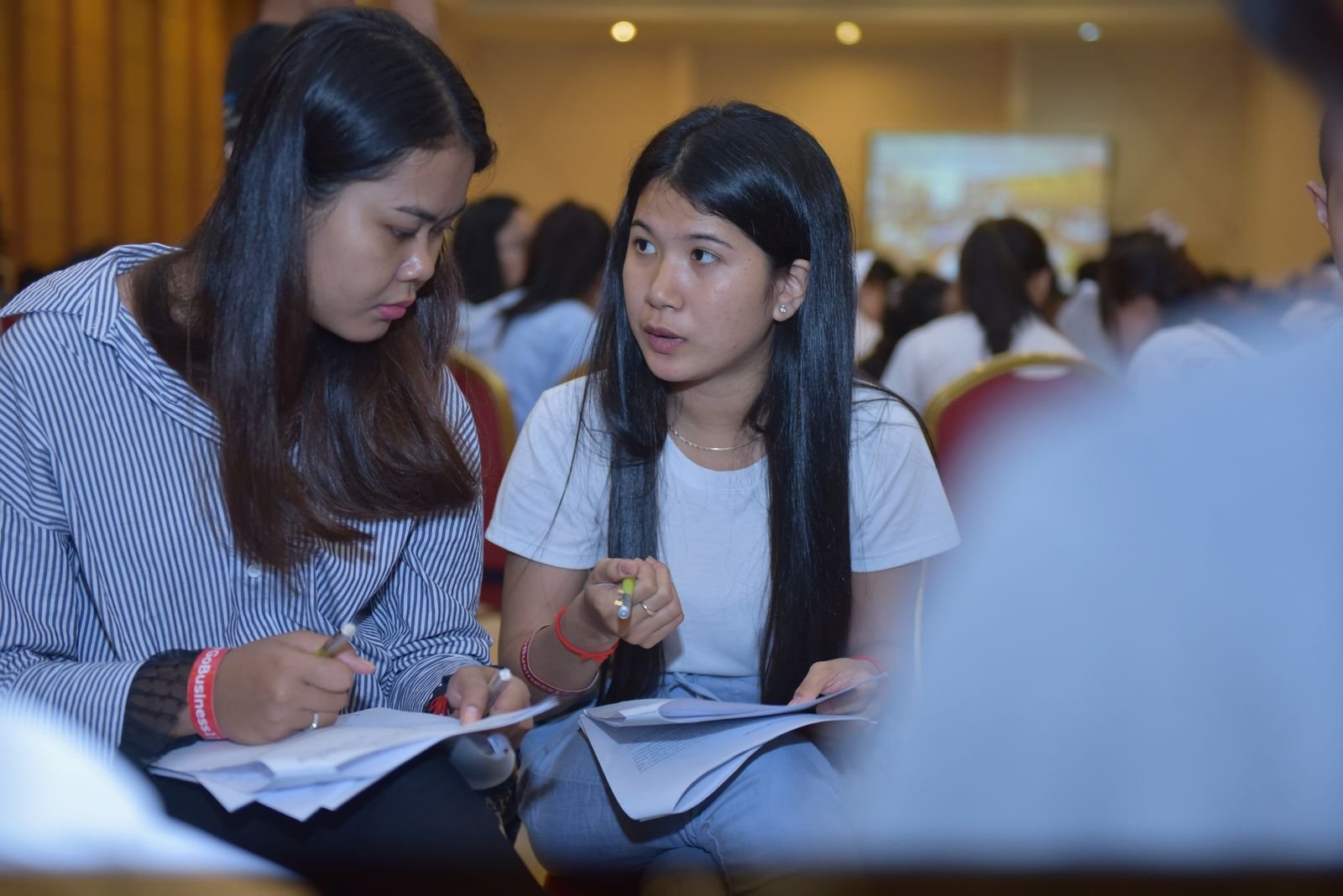
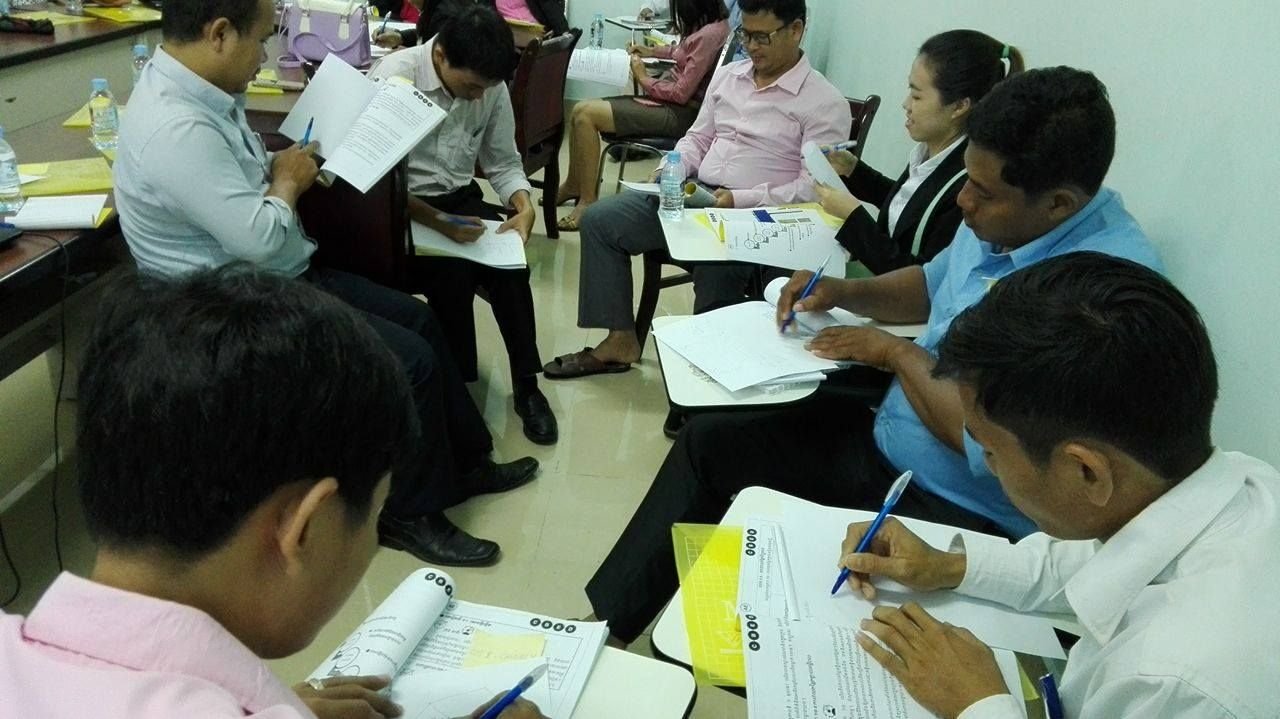
Two participants closely discussing a worksheet during a training session
Learning happens conversation by conversation, not lecture by lecture

The five toolkit families

Each toolkit is built for a different point in the same journey — from an individual weighing a first business idea, to a cooperative finding its feet, to a factory floor solving its own production problems.

Where it's been used

ABL began as a pilot in Cambodia in 2011 and has since spread across Asia and beyond, wherever formal or online classrooms aren't a realistic option. The same modules have also been adapted for soft skills training with leading firms like Samsung, IBM, HSBC and Seagate.

  • Cambodia — original 2011 pilot
  • Lao People's Democratic Republic
  • Philippines
  • Bangladesh (Factory Improvement Toolset)
  • Pakistan (Factory Improvement Toolset)
  • ASEAN tourism economies (Small Business Competitiveness)
  • Refugee and displaced communities across multiple regions (Ready for Business)
A very large conference hall full of participants, including Buddhist monks, working through ABL exercises
A national ABL rollout — hundreds of participants working through the same exercises in small groups at once

NGO partners

The tools have been deployed with a wide variety of NGO partners, including Oxfam, Plan International and Christian Relief Services.

UN & development partners

They've also been used alongside a range of UN and development partners, including UNHCR and UNDP.

Every toolkit, free to adapt.

Get the full set of ABL materials from the shared ILO drive — modules, facilitator guides, and supporting videos.

Download the tools